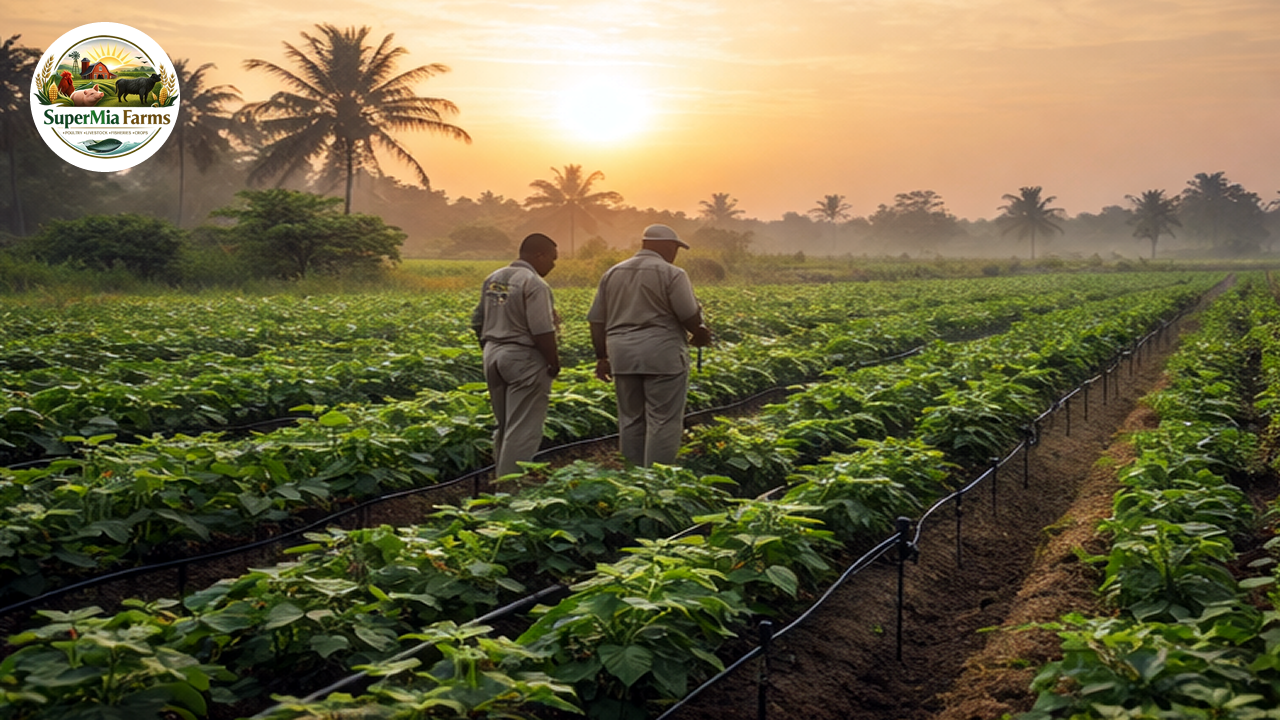
Agriculture is the backbone of food production and economic growth in many countries. However, modern farming must balance productivity with environmental responsibility. Sustainable farming has become essential for ensuring that agriculture continues to thrive while protecting natural resources.
At SuperMia Farms, sustainability is at the core of how we approach farming. By combining traditional knowledge with modern agricultural techniques, farms can increase productivity while maintaining healthy ecosystems.
What Is Sustainable Farming?
Sustainable farming refers to agricultural practices that meet current food needs without compromising the ability of future generations to meet their own needs. It focuses on responsible land use, proper animal care, efficient water management, and reduced environmental impact.
Key principles include:
-
Maintaining soil fertility
-
Conserving water resources
-
Reducing chemical usage
-
Promoting animal welfare
-
Protecting biodiversity
Benefits of Sustainable Farming
Sustainable farming offers several benefits to farmers, consumers, and the environment.
1. Healthier Soil
Healthy soil produces stronger crops. Practices such as crop rotation and organic fertilization improve soil structure and long-term productivity.
2. Better Food Quality
Responsible farming methods result in cleaner, safer, and more nutritious food for consumers.
3. Environmental Protection
Sustainable agriculture helps reduce pollution, conserve water, and protect ecosystems.
4. Long-Term Farm Productivity
Farmers who protect their land ensure that it remains productive for many years.
The Role of Modern Farms
Modern farms like SuperMia Farms play an important role in promoting sustainable agriculture. Through improved farm management systems, proper livestock care, and responsible crop production, farms can contribute to food security while protecting the environment.
As global demand for food continues to grow, sustainable agriculture will remain a critical part of the future of farming.